How to Fix Air Conditioner Leaking Water Inside Fast
Why Is My Air Conditioner Leaking Water Indoors?
If you discover water pooling around your AC unit, understanding the root causes is essential for effective HVAC maintenance and repair. An air conditioner leaking water inside is not only inconvenient but could also signal underlying problems that threaten the integrity of your cooling system and indoor environment. Here’s a breakdown of common causes and how they lead to indoor leaks:
- Clogged Drain Line: The condensate drain is designed to remove excess moisture created during the cooling process. If blocked by mold or debris, water backs up and spills inside.
- Damaged or Overflowing Condensate Pan: The drain pan collects condensation from the evaporator coil. If it’s cracked, rusted, or misaligned, it can’t hold water properly.
- Frozen Coils: Poor airflow, often due to a dirty air filter, may cause coils to freeze and later thaw, resulting in excess water that the pan or drain can’t handle.
- Faulty Condensate Pump: In systems where gravity cannot drain moisture, a malfunctioning condensate pump prevents proper removal, causing leaks.
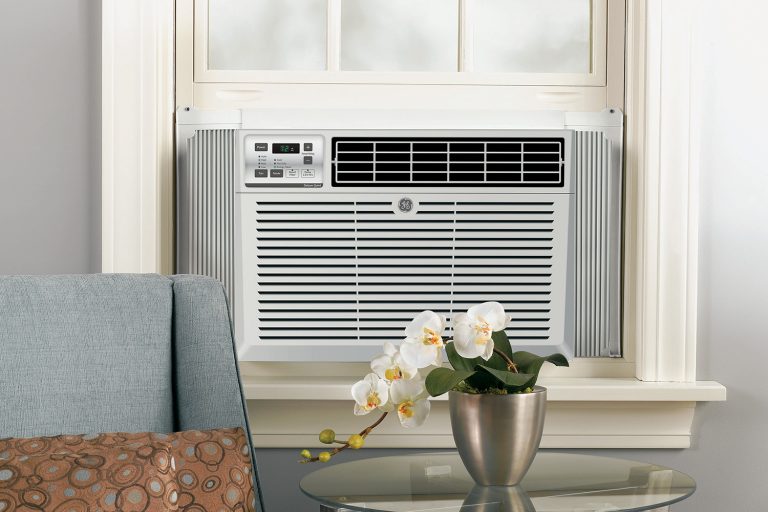
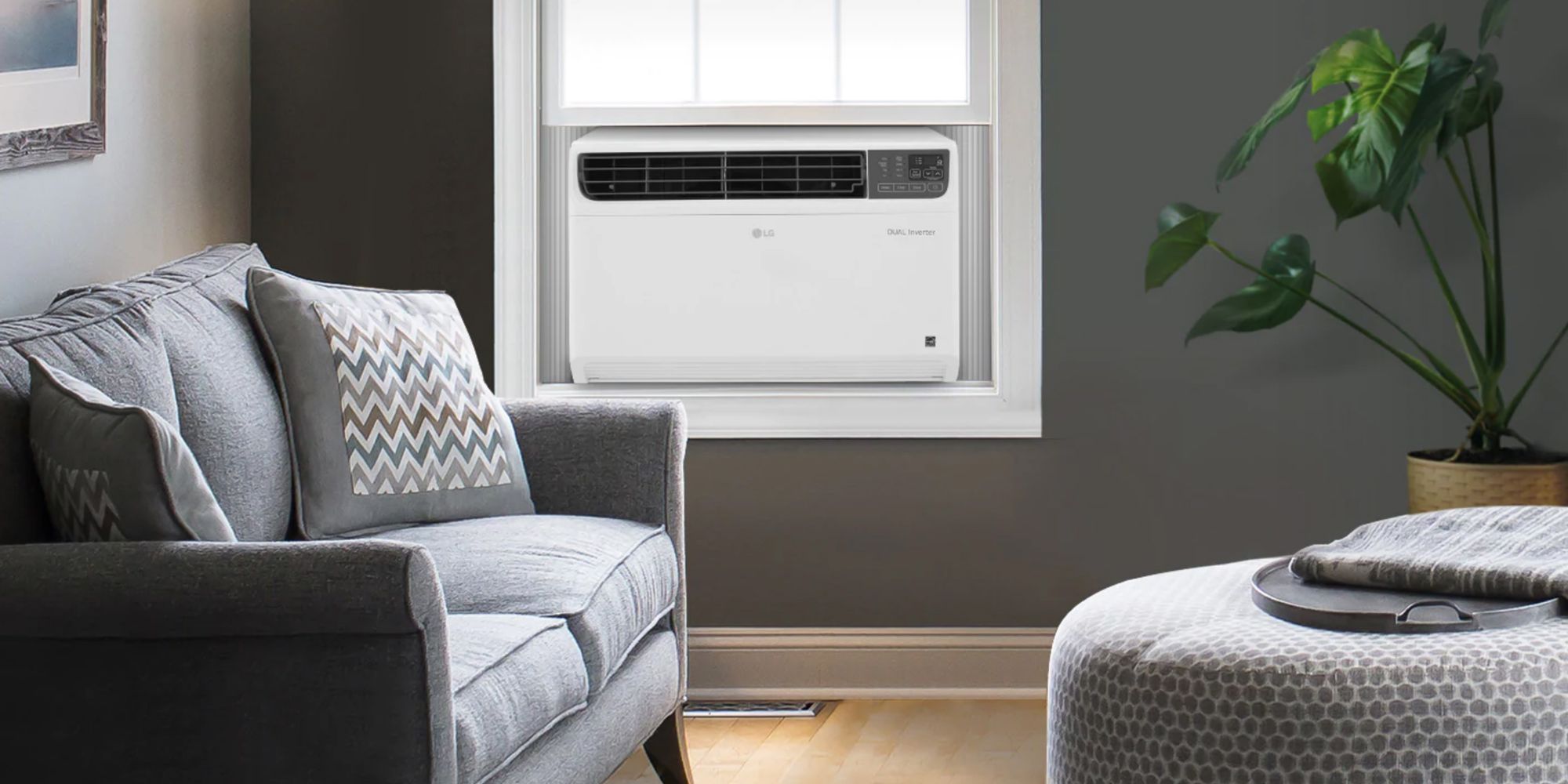
- Improper Installation Angle: Especially common in window units, improper tilting prevents water from draining outside. For more on window ACs, see how to seal an air conditioner in a window effectively.
- Refrigerant Leak: Low refrigerant levels can cause coil freezing, leading to water overflow upon thawing.
Recognizing these symptoms early can prevent damage and expensive repairs. The next section dives into how to fix AC leaking water and highlights when DIY is safe versus when you should call for professional repair.
Step-by-Step Troubleshooting and Fixes
Here’s a practical, actionable guide to diagnosing and fixing an air conditioner leaking water inside-whether you have a central or window unit. Remember: Prioritize safety by shutting off power at the breaker before working on any HVAC system.
Central AC Units
- Inspect and Clean the Air Filter
- Dirty filters reduce airflow, potentially freezing coils and causing overflow.
- Replace air filters every 1-3 months or as advised by the manufacturer. For detailed maintenance schedules, see our air conditioner tune-up guide.
- Unclog the Condensate Drain Line
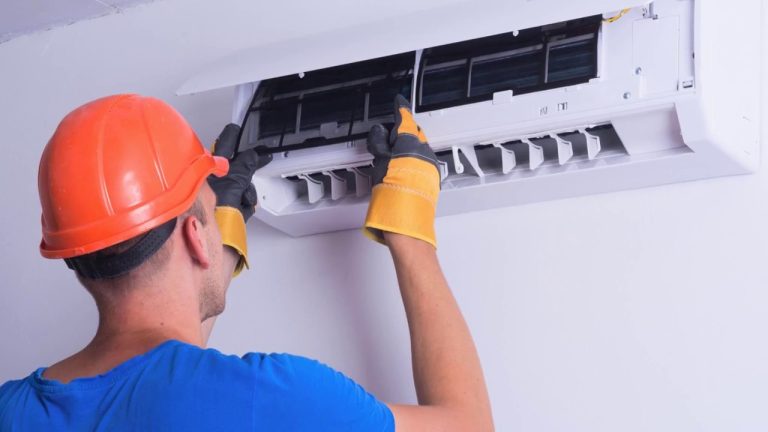
- Locate the condensate drain (usually near the indoor unit) and use a wet/dry vacuum to suction out clogs. This process is a cornerstone of quick HVAC water leak fixes.
- Check for mold or algae buildup inside the pipe. Pouring a small amount of distilled vinegar down the line can help prevent future growth.
- For persistent blockages, professional repair may be necessary.
- Inspect the Drain Pan
- Examine the drain pan under the evaporator. If cracked, replace it immediately-temporary sealants are a short-term fix only.
- Test the integrity by adding a cup of water to the pan and checking for leaks.
- Test the Float Switch
- Many units feature a float switch in the drain pan, which shuts down the system if water rises too high. If the switch is stuck or malfunctioning, replace as needed.
- Evaluate the Condensate Pump
- If your AC uses a condensate pump, listen for unusual noises or failure to activate. A faulty pump must be replaced to restore drainage.
- Check for Frozen Coils
- If you notice ice around the evaporator coil, shut off the unit and let it thaw. Investigate causes such as low refrigerant or restricted airflow. For refrigerant issues, always contact a professional technician.
Window and Portable AC Units
- Proper Installation Angle
- Window ACs should tilt slightly outward to prevent indoor leaks. If you’re noticing recurrent water issues, check the unit’s slope and adjust accordingly.
- For more installation tips, visit our article on window vs. portable vs. mini-split ACs.
- Empty or Replace the Drain Pan
- Portable ACs and some window units have a drain pan that may require frequent emptying, especially in humid environments.
- Clean Drain or Weep Holes
- Dirt and debris can clog the drainage outlets. Use a fine brush or compressed air to keep them clear.
- Seal All Gaps
- Ensure there are no leaks around the unit that cause indoor humidity to rise.
Proper sealing tips are outlined in our comprehensive guide on how to seal an air conditioner in a window.
- Ensure there are no leaks around the unit that cause indoor humidity to rise.
These DIY fixes address the most frequent issues, but not all AC water leaks can be resolved at home. When in doubt or when dealing with refrigerants or electrical problems, call a professional.
When to Call a Professional HVAC Technician
Some issues require skills, tools, and certifications beyond the typical DIYer-especially those involving refrigerant, electrical repairs, or persistent leaks after basic maintenance. Here’s when professional repair is necessary:
- Refrigerant Leaks: Only certified HVAC technicians can legally handle and recharge refrigerant. DIY attempts can damage the system and void warranties.
- Persistent Drain Line Blockages: If a wet/dry vacuum and cleaning solutions don’t restore drainage, an HVAC professional can employ advanced tools and techniques to unclog drain lines.
- Electrical Component Failure: Malfunctioning float switches, control boards, or condensate pumps must be diagnosed and replaced by experts.
- Mold or Rust Damage: Widespread or recurrent moisture can trigger mold growth or severe rust, requiring specialized treatment for health and safety.
- Warranty or Insurance Coverage: DIY repairs may void coverage. Always check manufacturer policy before attempting fixes.
For a deeper understanding of how your AC’s components function, review our explainer on air conditioner compressors.
Preventing Future AC Water Leaks
Preventive care is the key to avoiding future HVAC water leaks. These practical AC maintenance tips and checklists will help:
- Replace Air Filters Regularly: Maintain strong airflow and prevent coil freezing.
- Flush the Drain Line Seasonally: Pour a cup of vinegar or commercial cleaner down the line every few months.
- Inspect the Drain Pan: Look for cracks, rust, or mold during every maintenance check.
- Check Installation Angles: Ensure window and portable ACs remain slightly tilted outward for optimal drainage.
- Schedule Professional Tune-Ups: Annual service appointments help detect leaks, low refrigerant, and pump malfunctions early. For a complete maintenance calendar, see our guide on air conditioner tune-ups.
- Upgrade for Efficiency and Compatibility: If your aging AC frequently leaks, consider learning how to choose the right air conditioner for your home before replacing it.
Develop a maintenance timeline and stick to it-mark monthly, seasonal, and annual checks. Visualize these steps with diagrams or videos to ensure nothing is overlooked.
Frequently Asked Questions
- Is it safe to use a wet/dry vacuum for AC repair?
Yes, using a wet/dry vacuum for unclogging drain lines is a safe and effective DIY fix. Be sure to power off your HVAC system first and avoid direct contact with electrical components. - How do I tell if my refrigerant is leaking?
Signs include a hissing sound, weakened cooling, or frozen evaporator coils. Any suspected refrigerant leak requires immediate professional repair. - Do all AC units have a drain pan?
Most central and many window/portable units include a drain pan. The size and placement can vary, so consult your user manual. - Why does my AC leak only during high humidity?
Heavy humidity increases condensation, which quickly fills pans and drain lines. Routine cleaning and pan inspection are especially crucial in damp climates. - Should I repair or replace an old leaking AC?
If repairs are frequent and costs rise, compare efficiency and compatibility options. Refer to our resource on choosing the right air conditioner.