
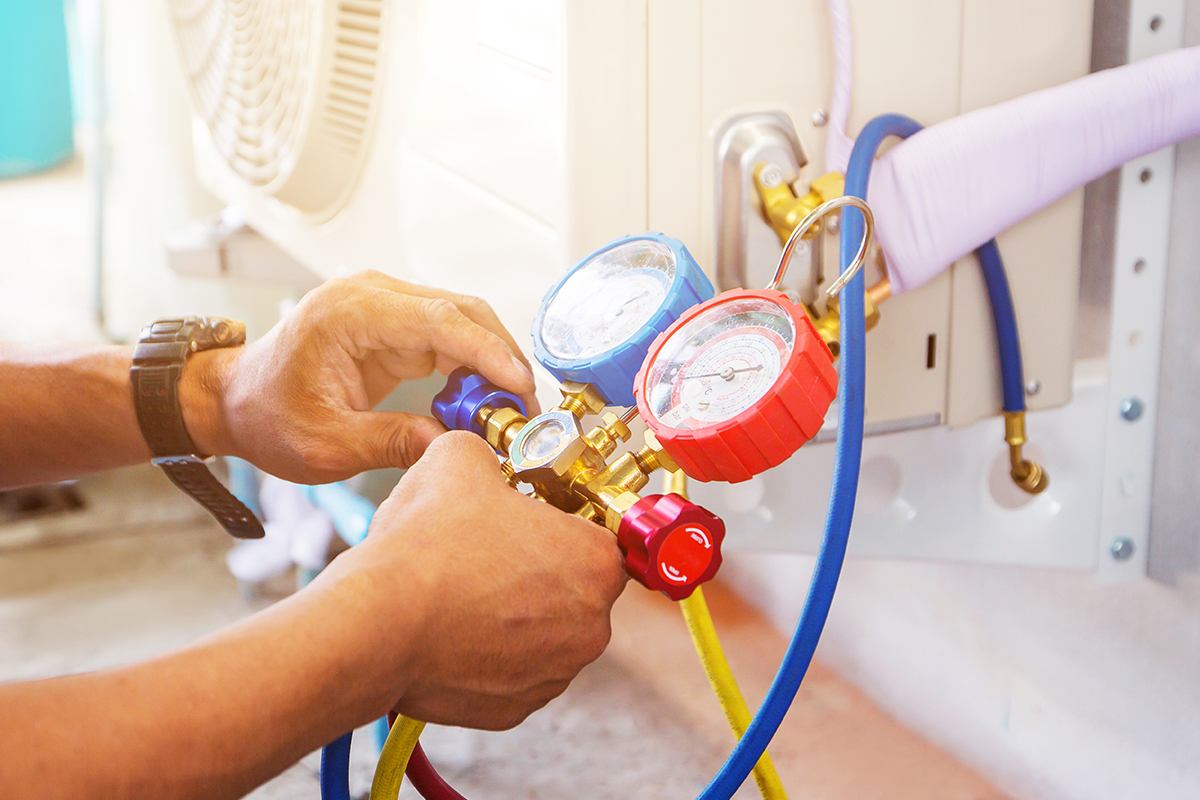
How Do Air Conditioner Compressors Work? Explained Simply
What Is an Air Conditioner Compressor?
The air conditioner compressor is often referred to as the “heart” of an AC system. Just as your heart pumps blood throughout your body, the compressor circulates refrigerant throughout the air conditioning system. Sitting within the outdoor unit, the compressor’s prime job is to pressurize the refrigerant, turning it from a cool, low-pressure gas into a hot, high-pressure gas-an essential step in the refrigerant cycle.
Without this key component, the process of heat transfer-removing warm air from inside your home and releasing it outside-cannot occur. So, if you’ve ever wondered how does an AC compressor work when you set your thermostat, it all starts here, with the compressor setting the entire cooling cycle in motion.
The Role of the Compressor in the Cooling Cycle
Understanding the role of the compressor in your AC system starts with a closer look at the refrigerant cycle-a step-by-step journey that transforms your home from stuffy to refreshingly cool. The cycle involves four primary components: the compressor, condenser, expansion valve, and evaporator.
- Suction: The compressor draws in cool, low-pressure refrigerant gas from the evaporator. This gas has absorbed heat from your indoor air.
- Compression: Inside, the compressor uses a motor-driven mechanism (piston, scroll, rotary, or centrifugal) to compress the refrigerant, raising its pressure and temperature.
- Discharge: The now hot, high-pressure gas moves to the condenser coils, where it releases heat to the outside air.
- Expansion: After cooling and condensing into a liquid, the refrigerant passes through the expansion valve, lowering its pressure before entering the evaporator, where the cycle repeats.
This stepwise process answers the key question: how does an AC compressor work to cool your home? It’s all about cycling the refrigerant between high and low pressure zones to efficiently move heat.
Types of AC Compressors: Pros and Cons
There are several types of air conditioner compressors, each with unique advantages, drawbacks, and ideal applications. Knowing the differences can help you select the most efficient system for your needs, whether for a window unit, a portable AC, or a sophisticated central system.
| Compressor Type | Noise Level | Efficiency | Cost | Best For |
|---|---|---|---|---|
| Reciprocating | Moderate | Moderate | Low | Window & small split units |
| Scroll | Low | High | Medium | Residential & commercial systems |
| Rotary | Low | Good | Medium | Mini-splits, window ACs |
| Centrifugal | Low | Very high | High | Large commercial/industrial |
For a deeper dive into how system types match compressor technologies, check out our guide on window, portable, and mini-split air conditioners.
- Reciprocating compressors use pistons and are sturdy, but can be noisy and less efficient.
- Scroll compressors offer quieter operation, higher efficiency, and less maintenance.
- Rotary compressors are compact and quiet, ideal for smaller, residential applications.
- Centrifugal compressors use an impeller and diffuser for large-scale cooling, offering high efficiency at large capacities.
The choice isn’t just about cooling power-factors like cost, installation type, and maintenance should all be considered. If you’re deciding which AC system fits your space best, our article on how to choose the right air conditioner for your home is a helpful resource.
Inside the Compressor: Key Components Explained
Let’s open up the black box. The essential compressor parts work seamlessly to facilitate the refrigerant’s journey. Here is a visual breakdown:
- Motor: Drives the compression mechanism-pistons, scrolls, or impellers.
- Piston/Scroll/Impeller: Depending on the type (reciprocating, scroll, centrifugal), this part compresses the gas.
- Cylinder/Chamber: Where the refrigerant is compressed.
- Suction and Discharge Valves: Control the entry and exit of refrigerant.
- Lubrication System: Reduces internal friction and extends lifespan.
- Electrical Controls: Manage startup, shutoff, and safety cutouts.
Each part plays a vital role in enabling the compressor to operate smoothly. For example, if lubrication is lacking, overheating and failure can occur-a common reason behind breakdowns and a key focus in regular AC tune-ups.
Step-by-Step: How the Compressor Powers Cooling
To better clarify how does an AC compressor work, picture these stepwise functions in an animated sequence:
- Low-Pressure Suction: Refrigerant gas enters the compressor chamber from the evaporator coil.
- Compression: The mechanism (piston, scroll, or rotary vanes) compacts the gas, raising its pressure and temperature significantly.
- High-Pressure Discharge: The now hot, high-pressure gas is pumped into the condenser, ready to release its heat outdoors.
- Refrigerant Cooled: In the condenser, the gas loses heat, becomes a liquid, and cycles back toward the evaporator after passing through the expansion valve.
The process repeats rapidly every minute your AC system is running. This quick-reference diagram summarizes the operation cycle, helping demystify the inner workings for technicians and homeowners alike:
- Suction → Compression → Discharge → Condensation → Expansion
This explains why the compressor is often called the system’s “heart”: as long as it’s pumping, the system cools. If you notice the compressor isn’t starting, or runs but fails to cool, see our guide on why your air conditioner isn’t cooling for troubleshooting advice.
Common Compressor Problems and Maintenance Tips
Compressors are engineered to last for years, but they aren’t immune to wear and problems. Understanding common issues and performing simple compressor maintenance can help prevent costly breakdowns:
- Short Cycling: The compressor turns on and off rapidly, often due to electrical problems, thermostat issues, or clogged filters. Cleaning or replacing air filters, as explained in our filter cleaning guide, is a simple first step.
- Overheating: Inadequate lubrication, low refrigerant levels, or blocked airflow can cause the compressor to overheat and fail.
- Hard Starting: The compressor has trouble starting (may hum or click). This can be related to electrical capacitors or worn-out components.
- Refrigerant Leaks: Leaks reduce cooling efficiency and can cause the compressor to run excessively, wearing it out sooner.
Here’s a quick compressor maintenance checklist:
- Inspect and change air filters regularly.
- Check refrigerant level and watch for leaks.
- Listen for unusual noises or vibrations.
- Clear debris from around the outdoor unit.
- Schedule annual professional AC tune-ups (here’s what to expect).
Many compressor troubleshooting steps (like checking relay switches, wiring, and contactors) are best handled by professionals, but basic tasks like filter cleaning or clearing debris are within reach for DIY-oriented homeowners.
Choosing the Right Compressor for Your System
Believe it or not, “bigger” isn’t always “better” when it comes to compressor size! The right compressor depends on your cooling requirements-typically measured in tons or BTUs. Oversized compressors can cause uncomfortable temperature swings and reduce efficiency, while undersized units struggle to cool effectively.
- Capacity: Choose a compressor matched to the room or house size and climate. For guidance, read how to choose the right AC.
- Compressor Type: Consider quiet scroll compressors for homes, reciprocating for cost-saving, or rotary for mini-split/compact installs.
- Maintenance Requirements: Some types, like scroll and rotary, need less routine care.
- Efficiency Ratings: A high-efficiency compressor may cost more upfront, but pay off in lower energy bills-especially important for areas with severe heat.
Matching compressor capacity and type to your space, usage, and AC design ensures efficient cooling, quiet operation, and long service life.
Frequently Asked Questions
- Q: Does a bigger compressor automatically mean better cooling?
A: No! Oversized compressors can actually shorten system life and cause uneven cooling. It’s always best to size your compressor to your specific cooling load. See our explainer on selecting the perfect air conditioner for tips on sizing. - Q: How long do AC compressors typically last?
A: With proper maintenance, most last 10-15 years. Keeping up with filter changes and yearly AC tune-ups will maximize service life. - Q: What’s the difference between single-stage and two-stage compressors?
A: Single-stage runs at full blast or off, while two-stage compressors operate at a lower speed most of the time, offering improved efficiency and comfort. - Q: What maintenance is most important for my compressor?
A: Clean or replace filters, keep the outdoor unit free of debris, and schedule regular professional checkups. For DIY tips, check our filter cleaning instruction. - Q: Can I troubleshoot compressor problems myself?
A: You can check for visible issues like dirty filters or tripped breakers, but most compressor troubleshooting is best left to trained pros. For homeowners, our guide to common AC problems can help pinpoint next steps.
