Why Your Air Conditioner Isn’t Cooling: Common Problems and How to Fix Them
When summer temperatures climb but your air conditioner just isn’t keeping up, frustration can set in fast. Maybe the air feels barely cool, the AC runs constantly, or—worst of all—it blows warm air. Don’t rush to call the repair service just yet: many common AC issues are easy to spot (and sometimes fix!) yourself.
This expert guide from All Cooling Solutions helps you troubleshoot, highlights when to seek professional help, and shares maintenance tips to prevent future breakdowns.
1. Quick Troubleshooting Checklist
Before diving in deeper, check these basics:
- Is the AC set to “Cool” and temperature set below current room temp?
- Is the air filter clean?
- Are the vents open and unblocked?
- Is the outdoor unit clear of debris?
- Are all doors/windows closed in the cooled area?
2. How Air Conditioning Systems Actually Cool
Briefly: Air conditioners remove heat from indoor air and release it outside, then circulate cool air back in. Problems anywhere along this path—air flow, refrigerant, coils, electrical supply—can cause reduced cooling or total failure.
3. Top Reasons Your AC Isn’t Cooling (and What to Do)
1. Dirty or Clogged Filter
Symptoms: Weak airflow, unit runs but barely cools, sometimes ice buildup.
Fix:
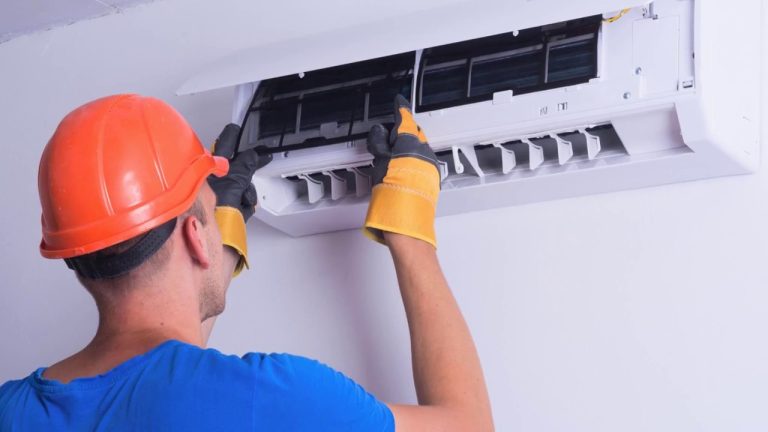
- Turn off the AC.
- Remove and inspect the filter.
- Clean or replace (usually every 1–3 months in summer).
Prevention:
Regular monthly filter checks—more often if you have pets or allergies.
2. Thermostat Issues
Symptoms: AC doesn’t turn on or runs at the wrong temperature.
Fix:
- Double-check settings (“Cool” mode, temperature properly set).
- For battery-powered thermostats, swap in fresh batteries.
- If your thermostat is old or inconsistent, consider upgrading to a digital or smart thermostat.
3. Blocked or Dirty Condenser Coils
Symptoms: AC runs but air feels warm or not cold enough; outdoor unit fan runs but unit is hot to touch.
Fix:
- Turn OFF power! Locate the outdoor condenser (central or mini-split).
- Remove leaves, grass, or debris around the unit.
- Gently hose off the outside coils if dirty (never use high pressure).
4. Frozen Evaporator Coil
Symptoms: Weak or no cold airflow; ice visible on the indoor coil or refrigerant lines.
Fix:
- Turn off the system and run the “Fan Only” mode for several hours.
- Replace dirty filters.
- Don’t restart cooling until ice melts.
- Persistent freezing may mean a refrigerant issue—call a pro.
5. Refrigerant Leak or Low Charge
Symptoms: Gradual loss of cooling; hissing or bubbling sound near AC lines; ice buildup.
Fix:
- DO NOT attempt to recharge refrigerant yourself! (illegal and unsafe)
- Call a licensed HVAC technician.
6. Electrical Problems
Symptoms: Unit won’t power on; sudden shutoff.
Fix:
- Check your circuit breaker or fuse box.
- Reset if tripped.
- If AC keeps tripping breakers, call a professional—it’s a safety issue.
7. Faulty Fan or Fan Motor
Symptoms: AC unit turns on but you hear no fan noise, or notice poor airflow.
Fix:
- For window/portable units, make sure nothing is blocking the fan.
- If the fan’s not spinning, listen for humming (could be a seized motor or bad capacitor).
- Motor or capacitor replacement is best handled by professionals.
8. Ductwork Leaks or Problems (Central AC)
Symptoms: Some rooms much warmer than others; weak airflow in certain vents; higher bills.
Fix:
- Inspect visible ducts for disconnected or crushed segments.
- Seal visible gaps with HVAC tape (never standard duct tape!).
- Have a pro inspect for hidden leaks if problem persists.
9. Tripped Circuit Breaker or Blown Fuse
Symptoms: AC unresponsive to thermostat; no power at all.
Fix:
- Check and reset the main electrical panel.
- Repeated trips/blown fuses indicate a deeper electrical issue—call an expert.
4. When to Call a Pro
Certain AC problems are dangerous or require specialized tools/expertise:
- Suspected refrigerant leaks or recharging needed
- Strange noises (grinding, screeching, banging—could signal failing compressor)
- Electrical smells, burning, or smoke
- Major mechanical or electrical failures
- Recurring freezing or water leaks even after filter changes
DIY is great for filters and basic cleaning—if you’re unsure or uncomfortable, always call a licensed HVAC technician!
5. Prevent Cooling Problems: Maintenance Tips
Regular care is the best way to avoid no-cool headaches:
- Change or clean AC filters monthly when in regular use.
- Keep vents/openings clear—not blocked by curtains, furniture, or dust.
- Clear leaves, dirt, or grass from around the outside condenser at least twice each cooling season.
- Inspect coils and fins—gently straighten bent fins with a “fin comb”.
- Program your thermostat and avoid setting it extremely low.
- Schedule annual (or biannual) professional tune-ups for central/ductless AC.
6. FAQ: Cooling Troubles Solved
Q: My AC blows cold for a few minutes, then turns warm. Why?
A: Could be an iced-over coil (caused by a dirty filter or low refrigerant). Try thawing and cleaning; if it returns, call a pro.
Q: How do I know if my AC is low on refrigerant?
A: Symptoms include reduced cooling, longer cycles, ice or frost, and sometimes hissing sounds. Only a professional can safely diagnose and recharge.
Q: Can a dirty outdoor unit really stop my AC from cooling?
A: Yes! Blocked or dirty condenser coils can reduce cooling performance drastically.
Q: How often should filters be replaced?
A: Every 30–90 days in high season. More if you have pets, allergies, or live in a dusty area.
Q: Is it okay to hose down the outside unit?
A: Yes—as long as you first cut off the power and use low pressure. Never open the unit unless qualified.
7. Summary Checklist
- Thermostat set correctly and working?
- Filter clean and not clogged?
- Outdoor unit clear & clean?
- Electrical panel checked and breaker set?
- All vents and registers open and unblocked?
- If still not cooling, call a pro—don’t risk your safety!
Most AC cooling issues can be prevented (or at least diagnosed) with a bit of DIY vigilance.
Changing filters, keeping the unit clean, and inspecting your thermostat regularly can go a long way towards a cool, comfortable summer. For anything involving refrigerant, wiring, or complex repairs—don’t hesitate to bring in an expert. It’ll pay off in better comfort, energy savings, and peace of mind.